
Imagine trying to clean a clogged pipe by blasting it with salt water — aggressively, abruptly, and hoping it all flushes out in one go. That’s the concept behind the Salt Flush, a detox method that involves drinking a large glass of warm salt water on an empty stomach to provoke immediate, often intense, bowel movements.
And just like other drastic weight loss methods, this one promises a cleaner gut, a lighter body, and a fresh start — but often leaves chaos in its wake.
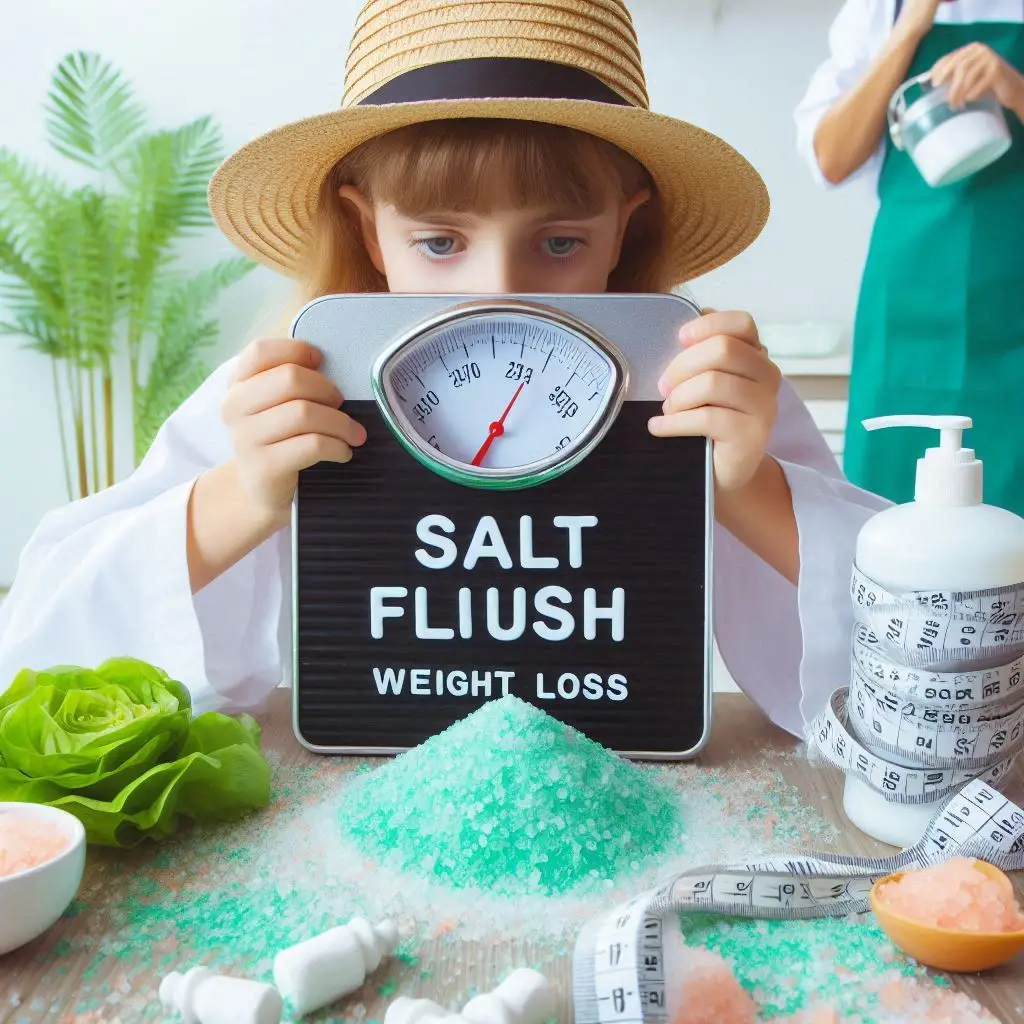
The Ritual of the Salt Flush
Chug it. Wait. Then prepare for what many describe as a “tsunami in the intestines.”
Within 30 to 60 minutes, the body reacts. The salt water races through the digestive tract like a flash flood, emptying everything it touches. What follows is multiple urgent trips to the bathroom and the illusion of instant weight loss.
It’s less of a diet — and more of a digestive emergency.
The Weight Loss Illusion
Like most drastic weight loss methods, the Salt Flush sells the dream of shedding pounds quickly. And technically, the scale does dip afterward — but let’s not confuse emptiness with fat loss.
What actually happens:
- Water weight loss: You’ve flushed out fluids, not fat.
- Colon cleansing: Yes, the gut feels empty — because it temporarily is.
- Temporary flat stomach: Bloating is reduced, making you feel lighter.
But the moment you rehydrate or eat normally, the scale rebounds.
The Oceanic Consequences
Salt, in small amounts, is life-sustaining. But a high dose in liquid form turns the body into a panic zone. When misused, the Salt Flush can lead to serious side effects, such as:
- Dehydration: The body expels fluids rapidly, which can result in fatigue, dizziness, and even fainting.
- Electrolyte imbalance: The sudden rush of sodium can disturb the heart, kidneys, and nerves.
- Nausea and cramps: Many report stomach pain, nausea, and a nauseating aftertaste.
- Colon dependency: Repeated use may weaken the digestive system’s natural rhythm, causing long-term constipation.
The body isn’t a clogged drain that needs a chemical blast — it’s a self-regulating system, finely tuned for balance. But drastic weight loss methods like this one treat it like plumbing.
The Mindset Behind the Method
The Salt Flush appeals to those seeking control — especially after periods of overeating, bloating, or digestive discomfort. It gives an immediate, visible reaction. It feels like progress. But it’s not real fat loss.
Like many extreme cleanses, this method plays into a dangerous psychological loop:
“If I can just flush it all out, I’ll be clean again.”
But this isn’t purification — it’s punishment. And when the results fade, people often return to it, over and over again, chasing a feeling of emptiness instead of true wellness.
A More Balanced Flow
If digestive health is your goal, there are safer and smarter ways:
- Eat fiber-rich foods like chia seeds, leafy greens, and whole grains.
- Hydrate properly — don’t blast your system, support it gently.
- Add probiotics to nourish gut bacteria.
- Exercise regularly to stimulate natural bowel movements.
These strategies promote true detoxification — through balance, not force.
The Salt Flush Weight Loss method might feel like a quick cleanse, but it’s more of a tidal wave than a gentle tide. Among drastic weight loss methods, it’s one of the most intense — and one of the most misleading.
If your goal is genuine transformation, don’t rely on tricks that flush your body and fool your brain. Healing isn’t about emptying — it’s about nourishing. Let your body flow — not flood.